fiji guide book
Fiji Guidebook: An Overview
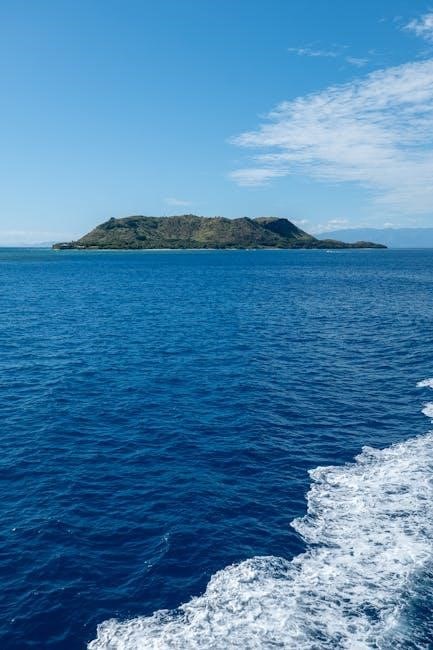
Fiji‚ a South Pacific archipelago of over 300 islands‚ beckons with stunning landscapes‚ pristine beaches‚ and vibrant coral reefs‚ offering an unforgettable escape․
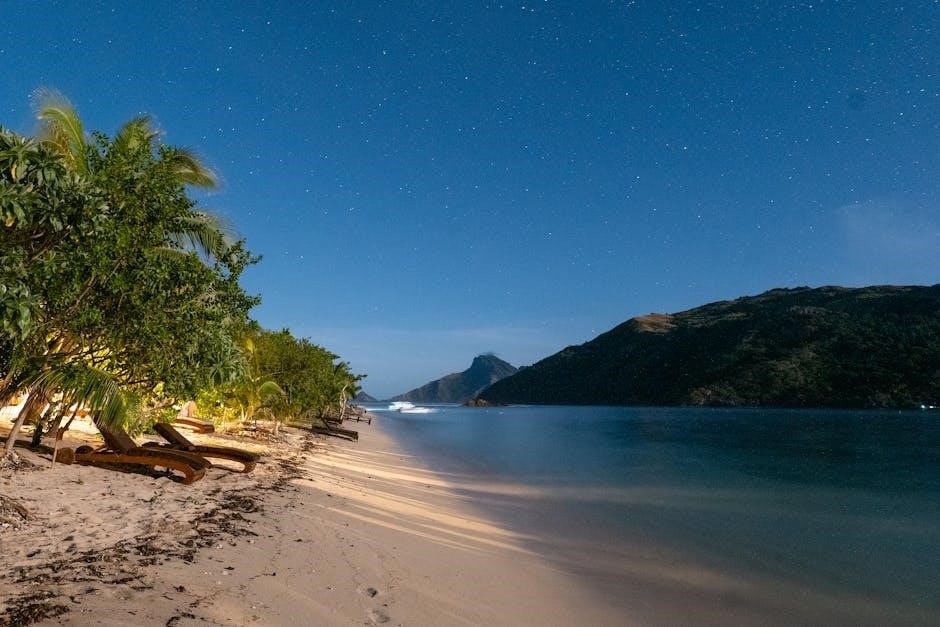
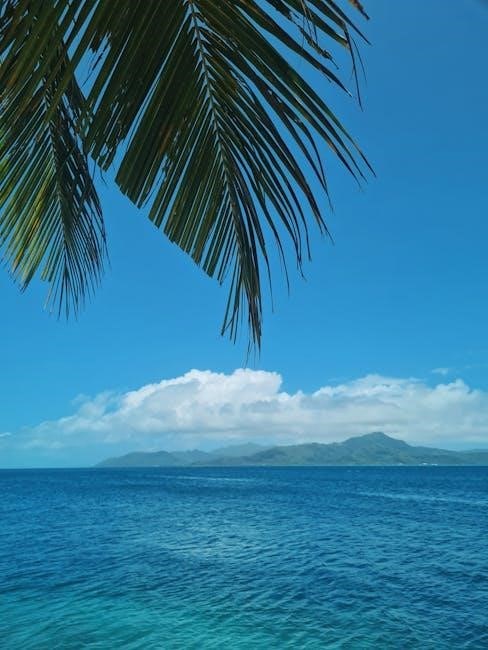
Fiji‚ an archipelago of breathtaking beauty shimmering in the South Pacific‚ lies approximately 1‚300 miles from Australia’s coast․ This captivating realm comprises over 300 diverse islands‚ each possessing unique charm and allure․ Renowned for its raw and stunning landscapes‚ palm-lined beaches‚ and vibrant coral reefs with clear lagoons‚ Fiji truly resembles a fairy tale destination․
More than just idyllic scenery‚ Fiji offers a rich cultural tapestry woven with warm hospitality and ancient traditions․ From hearty greetings to participating in a traditional kava ceremony‚ visitors are welcomed with open arms․ Fiji is consistently ranked among the world’s most welcoming countries‚ enhancing the overall travel experience․ Whether seeking adventure or relaxation‚ Fiji promises an unforgettable journey․
Geography and Climate
Fiji’s geography is defined by its volcanic origins‚ resulting in lush‚ mountainous terrain alongside stunning coastal plains․ The archipelago spans over 7‚700 square miles of the South Pacific Ocean‚ comprised of approximately 330 islands‚ though only around 110 are permanently inhabited․ Viti Levu‚ the largest island‚ dominates the landscape‚ hosting the capital city‚ Suva‚ and the international airport in Nadi․
The climate is tropical maritime‚ characterized by warm temperatures year-round‚ averaging between 75°F and 88°F (24°C and 31°C)․ Fiji experiences a distinct wet season from November to April‚ with higher humidity and occasional cyclones․ The drier season‚ from May to October‚ offers pleasant conditions for exploration and outdoor activities‚ making it a favored time for visitors․
Major Islands and Regions
Viti Levu‚ Fiji’s largest island‚ is the hub of activity‚ boasting the capital‚ Suva‚ and the tourist center of Nadi․ It offers diverse landscapes‚ from bustling towns to serene beaches and mountainous interiors․ The Mamanuca Islands‚ west of Viti Levu‚ are renowned for their idyllic resorts and crystal-clear waters‚ perfect for island hopping․
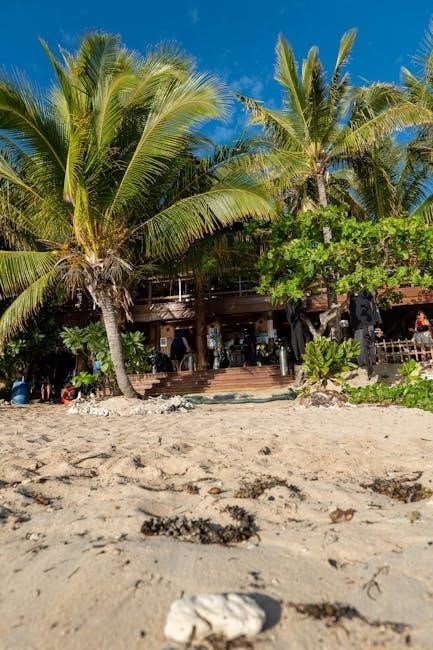
Further afield‚ the Yasawa Islands present a more secluded experience‚ with volcanic peaks and pristine beaches․ Vanua Levu‚ Fiji’s second-largest island‚ is a haven for divers and nature enthusiasts‚ while Taveuni‚ the “Garden Island‚” is famed for its lush rainforests and waterfalls․ The Lau Islands‚ a remote archipelago‚ offer a truly off-the-beaten-path adventure․
Planning Your Trip to Fiji
Careful planning ensures a seamless Fijian adventure‚ considering the best time to visit‚ necessary visa requirements‚ and convenient transportation options across the islands․
Best Time to Visit
Determining the ideal time to visit Fiji hinges on your priorities regarding weather and crowds․ The dry season‚ spanning May to October‚ presents the most favorable conditions – think sunny skies and lower humidity․ This period is incredibly popular‚ naturally leading to increased prices and busier resorts․
Conversely‚ the wet season (November to April) brings warmer temperatures and higher rainfall‚ though showers are often brief and followed by sunshine․ This translates to fewer tourists and potentially significant savings on accommodation and flights․
For diving enthusiasts‚ visibility is generally best during the dry season․ However‚ Fiji enjoys pleasant weather year-round‚ making it a viable destination regardless of when you choose to travel․ Consider shoulder seasons – April-May and September-October – for a sweet spot of good weather and moderate crowds․
Visa and Entry Requirements
For many nationalities‚ including those from the United States‚ Canada‚ Australia‚ and the European Union‚ a visa is not required for tourist visits to Fiji of up to four months․ However‚ a valid passport with at least six months of validity remaining beyond your intended stay is essential․
Upon arrival‚ you’ll typically need to present proof of onward or return travel‚ and sufficient funds to cover your expenses during your stay․ It’s always advisable to check the latest requirements with the Fijian embassy or consulate in your country before travel‚ as regulations can change․
Ensure your passport is in good condition; damaged passports may be refused entry․ Travelers should also be aware of any specific health requirements or vaccinations recommended or required by Fijian authorities․
Getting Around Fiji
Viti Levu‚ the largest island‚ offers the most developed transportation options․ Rental cars are readily available at Nadi International Airport and in Suva‚ providing flexibility for exploring at your own pace․ Public buses are an affordable‚ though sometimes crowded‚ way to travel between towns and cities on Viti Levu․
For inter-island travel‚ ferries are a common choice‚ with services connecting Viti Levu to the Mamanuca and Yasawa Islands․ Domestic flights operated by Fiji Airways and other smaller airlines are faster‚ but more expensive‚ options for reaching more remote islands․
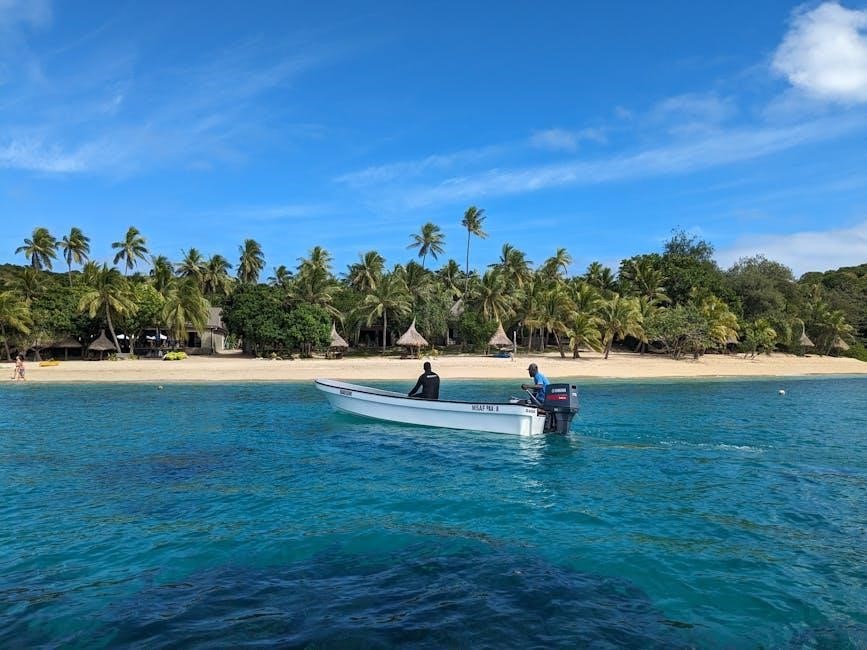
Taxis are plentiful in urban areas‚ and it’s advisable to agree on a fare before starting your journey․ Water taxis are essential for accessing smaller islands and resorts․
Experiences in Fiji
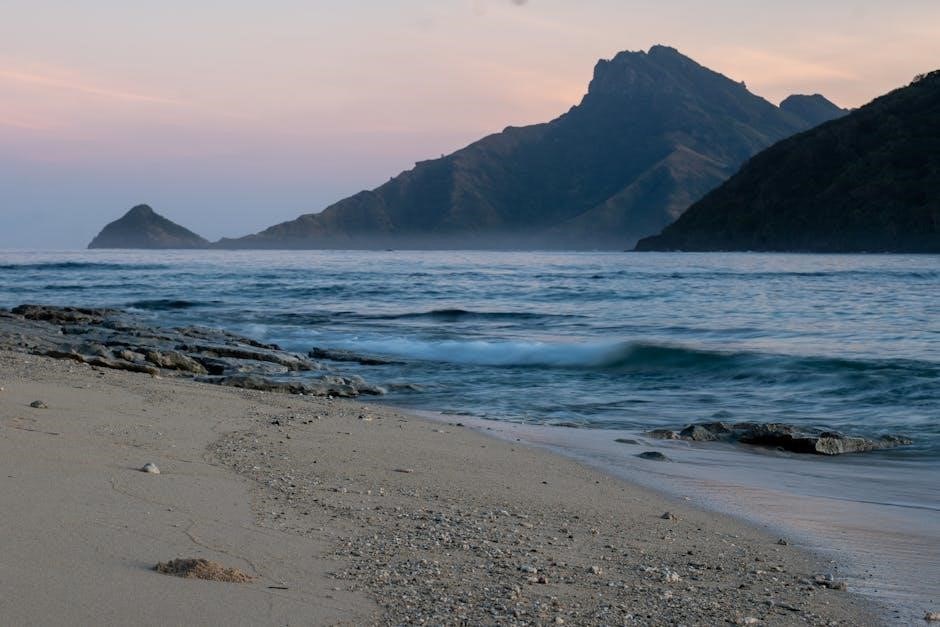
Fiji offers diverse experiences‚ from exploring vibrant coral reefs through diving and snorkeling‚ to immersing yourself in rich cultural traditions and warm hospitality․
Popular Destinations: Viti Levu & Suva
Viti Levu‚ Fiji’s largest island‚ serves as the gateway for most visitors‚ hosting Nadi International Airport and the bustling capital‚ Suva․ Nadi‚ a vibrant hub‚ offers a blend of cultural experiences and convenient access to the Mamanuca Islands․ Explore the colorful Nadi Market for local crafts and produce‚ or delve into the Sri Siva Subramaniya Swami Temple‚ a stunning Hindu sanctuary․
Suva‚ the capital city‚ presents a more urban experience‚ boasting historical architecture‚ museums‚ and a lively harbor․ Lautoka‚ situated on Viti Levu’s west coast‚ is a significant port and a charming town with a welcoming atmosphere․ Viti Levu’s diverse landscapes also include lush rainforests and rugged mountains‚ providing opportunities for hiking and adventure․ These destinations offer a fantastic introduction to Fijian life and beauty․
The Mamanuca and Yasawa Islands
The Mamanuca Islands‚ a picturesque chain west of Viti Levu‚ are renowned for their idyllic beaches‚ crystal-clear lagoons‚ and luxurious resorts․ These islands cater to various budgets‚ offering everything from backpacker-friendly options to exclusive overwater bungalows․ Popular activities include snorkeling‚ diving‚ surfing‚ and simply relaxing on the pristine sands․
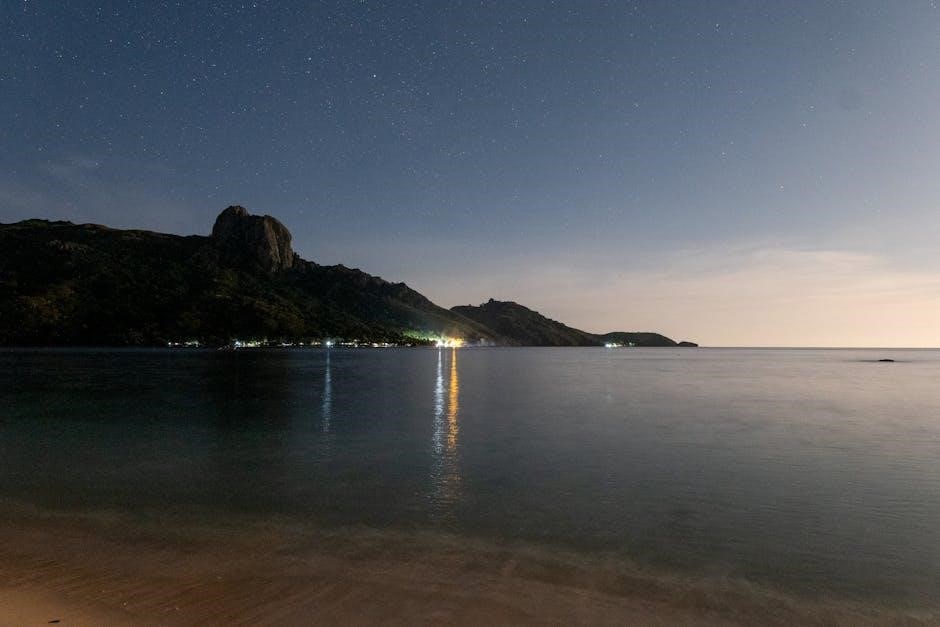
Further north lie the Yasawa Islands‚ a more remote and rugged archipelago․ These islands boast dramatic volcanic landscapes‚ secluded bays‚ and traditional Fijian villages․ Explore hidden caves‚ swim with manta rays‚ and experience authentic Fijian culture․ The Yasawa Islands offer a more adventurous and off-the-beaten-path experience‚ perfect for those seeking tranquility and natural beauty․ Both chains represent a quintessential Fijian paradise․
Diving and Snorkeling in Fiji
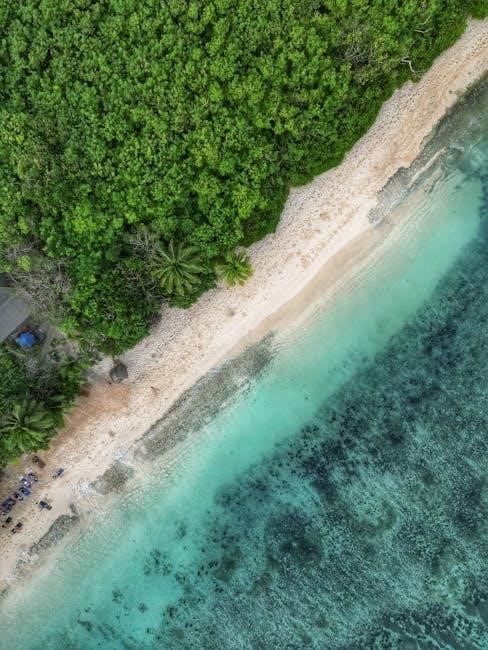
Fiji is globally celebrated as the “Soft Coral Capital‚” attracting divers and snorkelers with its vibrant underwater ecosystems․ The warm‚ clear waters teem with an astonishing diversity of marine life‚ including colorful coral reefs‚ tropical fish‚ sharks‚ manta rays‚ and sea turtles․ Numerous dive sites cater to all skill levels‚ from beginner-friendly shallow reefs to challenging drift dives․
The Mamanuca and Yasawa Islands offer particularly spectacular diving and snorkeling opportunities․ Explore dramatic coral walls‚ swim through underwater caves‚ and encounter large pelagic species․ Many resorts offer PADI certification courses and guided dive trips․ Snorkeling is easily accessible from most beaches‚ providing a glimpse into Fiji’s underwater wonderland․ Prepare to be mesmerized by the sheer beauty and abundance of marine life!
Cultural Experiences & Etiquette
Fiji is renowned for its warm hospitality and rich cultural traditions․ Experiencing these firsthand enhances any visit․ A central custom is the kava ceremony‚ a significant social event involving a traditional drink made from the kava root – participation is a sign of respect‚ and finishing your bowl is expected!
Greetings are important; a friendly “Bula!” is universally welcomed․ Dress modestly when visiting villages‚ covering shoulders and knees․ Removing your hat is also considered polite․ Fijians value community and respect for elders․ Be mindful of local customs and ask permission before taking photographs of people․ Embracing these cultural nuances will deepen your connection with Fiji and its people‚ fostering a truly enriching travel experience․
Accommodation in Fiji
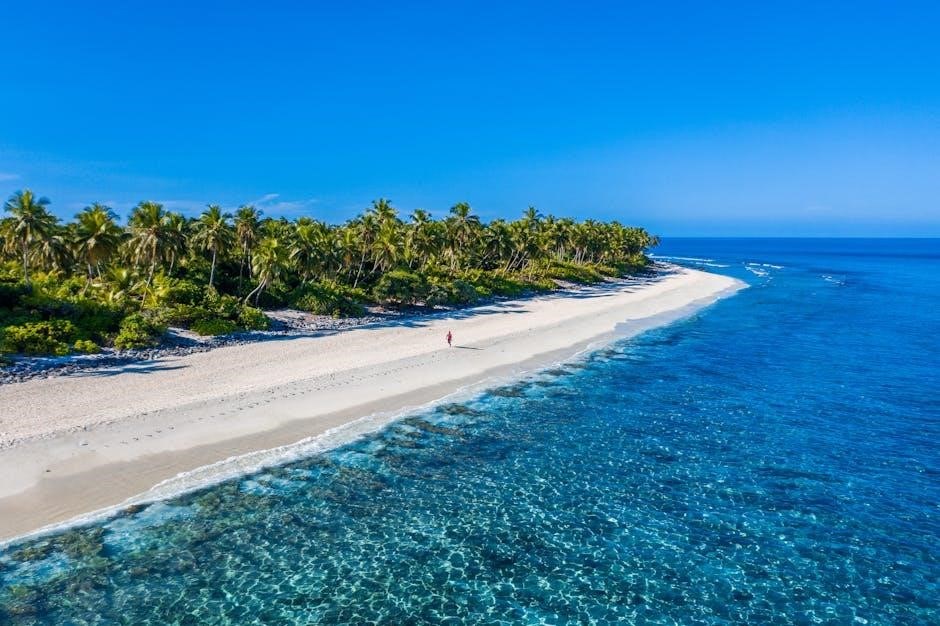
Fiji offers diverse lodging‚ from luxurious resorts and overwater bungalows to budget-friendly guesthouses and backpacker hostels‚ catering to every traveler’s preference․
Resort Options
Fiji boasts an incredible array of resort options‚ ranging from internationally renowned luxury brands to smaller‚ boutique properties․ Many resorts are located on their own private islands‚ offering ultimate seclusion and exclusivity․ Expect overwater bungalows‚ beachfront villas‚ and world-class amenities like spas‚ gourmet restaurants‚ and extensive water sports facilities;
Popular choices include The Brando (a luxurious eco-resort)‚ the Sofitel Fiji Resort & Spa Denarau‚ and the Likuliku Lagoon Resort‚ known for its traditional Fijian architecture․ These resorts often feature all-inclusive packages‚ simplifying budgeting and enhancing the relaxation experience․ Consider resorts in the Mamanuca and Yasawa Islands for idyllic settings and easy access to stunning coral reefs․ Prices vary significantly‚ catering to different budgets‚ but generally‚ expect to invest more for premium experiences․
Budget-Friendly Accommodation
Fiji isn’t solely about opulent resorts; numerous budget-friendly options cater to travelers seeking affordability without sacrificing experience․ Guesthouses and hostels‚ particularly in towns like Nadi and Suva‚ provide economical lodging․ Backpackers often favor shared dormitories and communal spaces‚ fostering a social atmosphere․ Consider locally-owned bungalows or ‘bure’ style accommodations for an authentic Fijian stay․
Airbnb offers a diverse range of apartments and rooms‚ often cheaper than traditional hotels․ Exploring options beyond the popular island chains‚ like Vanua Levu‚ can yield significant savings․ Self-catering facilities are common in budget accommodations‚ allowing you to reduce dining costs․ While amenities may be simpler‚ these options provide a fantastic base for exploring Fiji’s natural beauty and immersing yourself in local culture․
Food and Drink in Fiji
Fijian cuisine blends fresh seafood‚ tropical fruits‚ and root crops‚ while the traditional kava ceremony represents a significant cultural and social practice․
Local Cuisine
Fiji’s culinary landscape is a delightful fusion of indigenous traditions‚ Indian flavors‚ and Melanesian influences‚ resulting in a unique and satisfying gastronomic experience․ Fresh seafood is‚ unsurprisingly‚ a cornerstone of Fijian cuisine‚ with kokoda – a raw fish salad marinated in coconut milk and lime juice – being a national delicacy․ Root crops like dalo (taro)‚ kasi (cassava)‚ and uvi (yam) form the staple carbohydrates‚ often served alongside flavorful meats and vegetables․
Indian curries‚ brought by indentured laborers in the 19th century‚ are incredibly popular‚ offering a spicy and aromatic alternative․ Don’t miss trying roti‚ a flatbread‚ or a hearty curry dish․ Fruits like mangoes‚ pineapples‚ and papayas are abundant and incredibly sweet․ For a truly authentic experience‚ seek out a lovo – an underground oven where food is slow-cooked with heated stones‚ imparting a smoky and earthy flavor․ Exploring local markets provides a vibrant glimpse into the ingredients that define Fijian cooking․
Kava Ceremony and Traditions
Kava‚ a traditional drink made from the root of the yaqona plant‚ holds immense cultural significance in Fiji and is central to many ceremonies and social gatherings․ Participating in a kava ceremony‚ known as sevusevu‚ is a deeply respectful way to connect with Fijian culture․ The ceremony is typically conducted by a village chief‚ and involves a formal presentation of kava root․
Guests are seated in a circle and receive kava in a bilo (wooden bowl)‚ drinking it in one gulp․ It’s considered polite to clap three times after each sip – once before‚ during‚ and after drinking․ Beyond kava‚ Fijian traditions emphasize respect for elders‚ communal living‚ and storytelling․ Hearty greetings and welcoming smiles are commonplace‚ reflecting the warmth and hospitality of the Fijian people․ Being a culturally conscious traveler means embracing these customs․
Practical Information
Fiji is a popular destination for Australian travelers‚ requiring attention to health‚ safety‚ and budgeting for an enjoyable and secure island getaway experience․
Health and Safety
Fiji generally presents a safe environment for tourists‚ but exercising standard precautions is crucial for a worry-free visit․ Consult your doctor regarding necessary vaccinations and health advice before departure‚ ensuring you’re prepared for potential tropical illnesses․
Dengue fever and chikungunya are present‚ so using insect repellent is highly recommended‚ especially during dawn and dusk․ Safe drinking water is essential; stick to bottled water or ensure water is properly boiled;
Sun protection is vital due to the strong tropical sun – wear sunscreen‚ hats‚ and sunglasses․ Be mindful of currents and marine life when swimming or snorkeling‚ and always swim within designated areas․ Road conditions can vary‚ so exercise caution when driving or using public transport․ Petty theft can occur‚ so secure your belongings and avoid displaying valuables․
Money and Budgeting
Fiji’s currency is the Fijian dollar (FJD)․ Credit cards are widely accepted in larger resorts and tourist establishments‚ but smaller businesses and local markets often prefer cash․ ATMs are readily available in major towns and cities like Nadi and Suva‚ allowing convenient access to funds․
Budgeting for Fiji can vary greatly depending on your travel style․ Luxury resorts can be expensive‚ while budget-friendly guesthouses and hostels offer more affordable options․
Consider self-catering to save on food costs‚ and utilize local transportation like buses for economical travel․ Factor in costs for activities like diving‚ snorkeling‚ and cultural tours․ Bargaining is generally not customary‚ but polite inquiries about discounts may be possible in local markets․ Be aware of potential bank fees for international transactions․